Understanding Your Home's Plumbing System
As a homeowner in Newark, Delaware, gaining a basic understanding of your plumbing system can be incredibly beneficial. It empowers you to handle minor issues, communicate effectively with professionals, and make informed decisions about repairs and maintenance. In this guide, we'll break down essential plumbing concepts into simple terms, making it easier for you to navigate the world of pipes, fixtures, and fittings.
The Anatomy of Your Plumbing System
Your home's plumbing system is a complex network of pipes, valves, and fixtures. At its core, it comprises two subsystems: the water supply system, which brings fresh water into your home, and the drainage system, which removes wastewater.
- Water Supply System: This system includes the pipes and valves that deliver clean water to your faucets, showers, and appliances. Water typically enters your home from a municipal supply or a private well.
- Drainage System: This system collects and transports wastewater away from your home. It includes drainpipes, traps, and vents that ensure proper drainage and prevent sewer gases from entering your living spaces.
Common Plumbing Issues and How to Address Them
Plumbing problems can range from minor inconveniences to significant disruptions. Understanding common issues and their solutions can save you time and money. Here are a few typical problems and easy-to-follow solutions:
Dripping Faucets
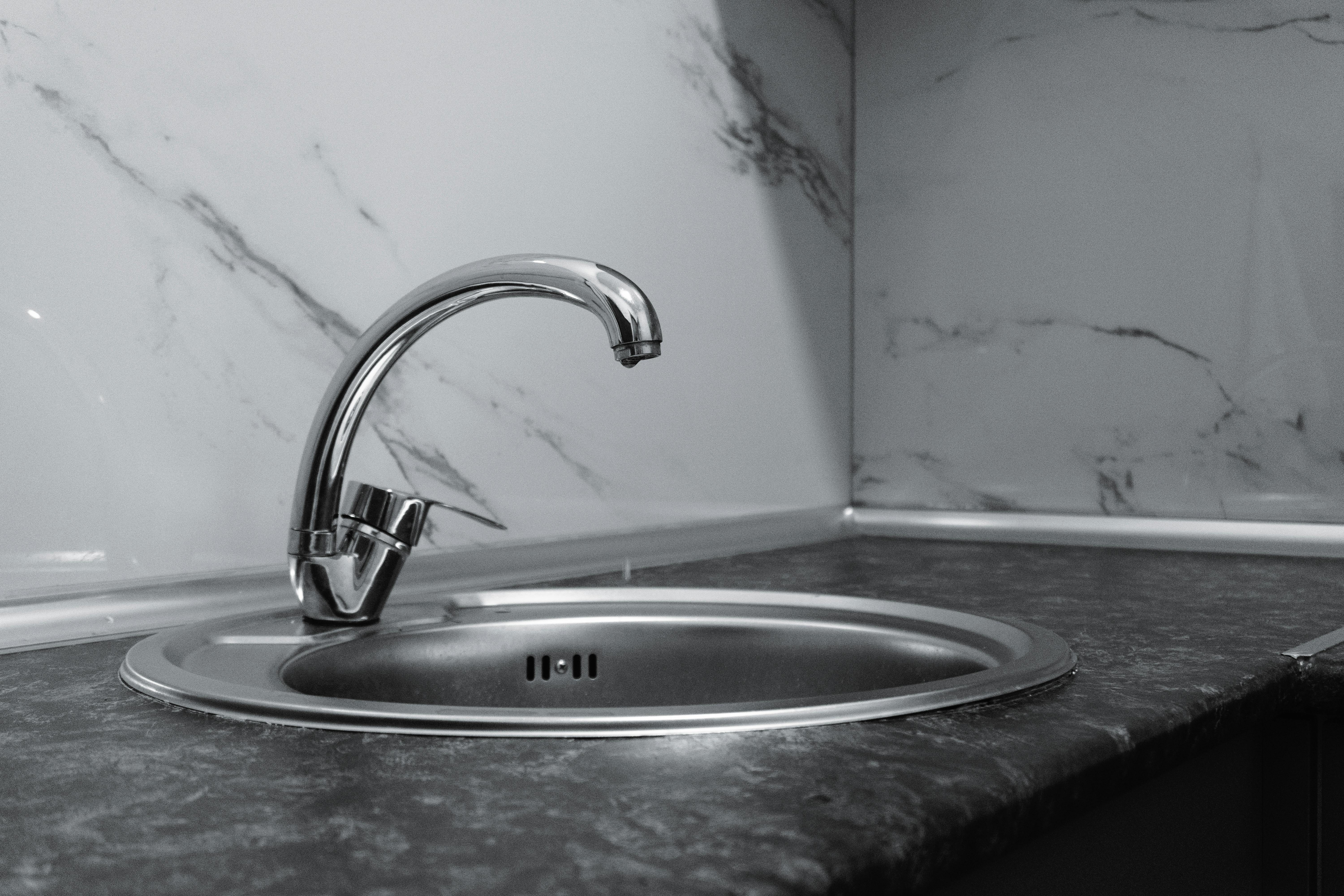
A dripping faucet is not only annoying but can also waste a significant amount of water. The culprit is usually a worn-out washer or seal. To fix it, turn off the water supply, disassemble the faucet, and replace the damaged part.
Leaky Pipes
Leaky pipes can cause water damage and increase your utility bills. Look for signs of leakage, such as water stains or damp spots. Once identified, apply a pipe clamp or epoxy putty as a temporary fix, and contact a professional plumber for a permanent solution.
Clogged Drains
Clogged drains are often caused by a buildup of grease, hair, or foreign objects. Use a plunger or a mixture of baking soda and vinegar to clear minor clogs. For persistent blockages, a plumber’s snake or professional assistance may be required.
Preventive Maintenance Tips
Regular maintenance can prevent many plumbing issues and prolong the lifespan of your system. Here are some simple preventive measures:
Inspect and Clean Drains
Regularly check your drains for signs of clogs. Use a drain cover to catch debris and clean it weekly to prevent buildup.
Monitor Water Pressure
Excessive water pressure can strain your pipes and fixtures. Use a pressure gauge to ensure it remains within the recommended range of 40-60 psi.
Check for Leaks
Periodically inspect all visible pipes and connections for leaks. Early detection can prevent costly damages.
When to Call a Professional
While some plumbing issues are manageable on your own, others require the expertise of a professional plumber. If you encounter any of the following situations, don't hesitate to contact Aqua Plumbing Solutions in Newark:
- Major Leaks or Flooding: Significant water damage requires immediate professional intervention.
- Persistent Low Water Pressure: This could indicate a serious problem, such as a hidden leak or pipe corrosion.
- Sewer Line Issues: Strange odors or multiple drain clogs may signal a sewer line problem, which necessitates professional inspection and repair.
Conclusion
Understanding the basics of your plumbing system can empower you to manage minor issues and maintain your home's integrity. For more complex problems, the experts at Aqua Plumbing Solutions are always ready to assist Newark homeowners with reliable and professional plumbing services. With this knowledge in hand, you'll be better equipped to ensure the smooth operation of your home's plumbing and protect your investment.